Have you ever heard of a fluid bed coffee roaster? How about a drum roaster? Do you remember the terms endothermic and exothermic reactions from chemistry/thermodynamics classes? If not, that's fine... I'll give you the highlights.
At the highest level, the process used to roast coffee is like a popcorn popper. You heat up the beans until they hit the point that you get the best flavor from them. Now think back to the popcorn poppers that you may have used as a kid. There were two types that were popular before we all just microwaved our popcorn. There was the stove-top popper or Whirly-pop. It was a kettle that heated up on the stove and popped your popcorn. Then there was the electric air roaster. A device that you poured a small amount of popcorn in and waited until it spit the popcorn out of a spout on the side (usually a gold or yellow spout). Coffee roasting is similar.
A drum roaster is like the stovetop popper. It heats a drum, and the drum creates an exothermic transfer of heat from the drum to the beans. This 'cooks' your beans and develops the roast profile. This is by far the most common roasting technique and is an excellent method of coffee roasting.
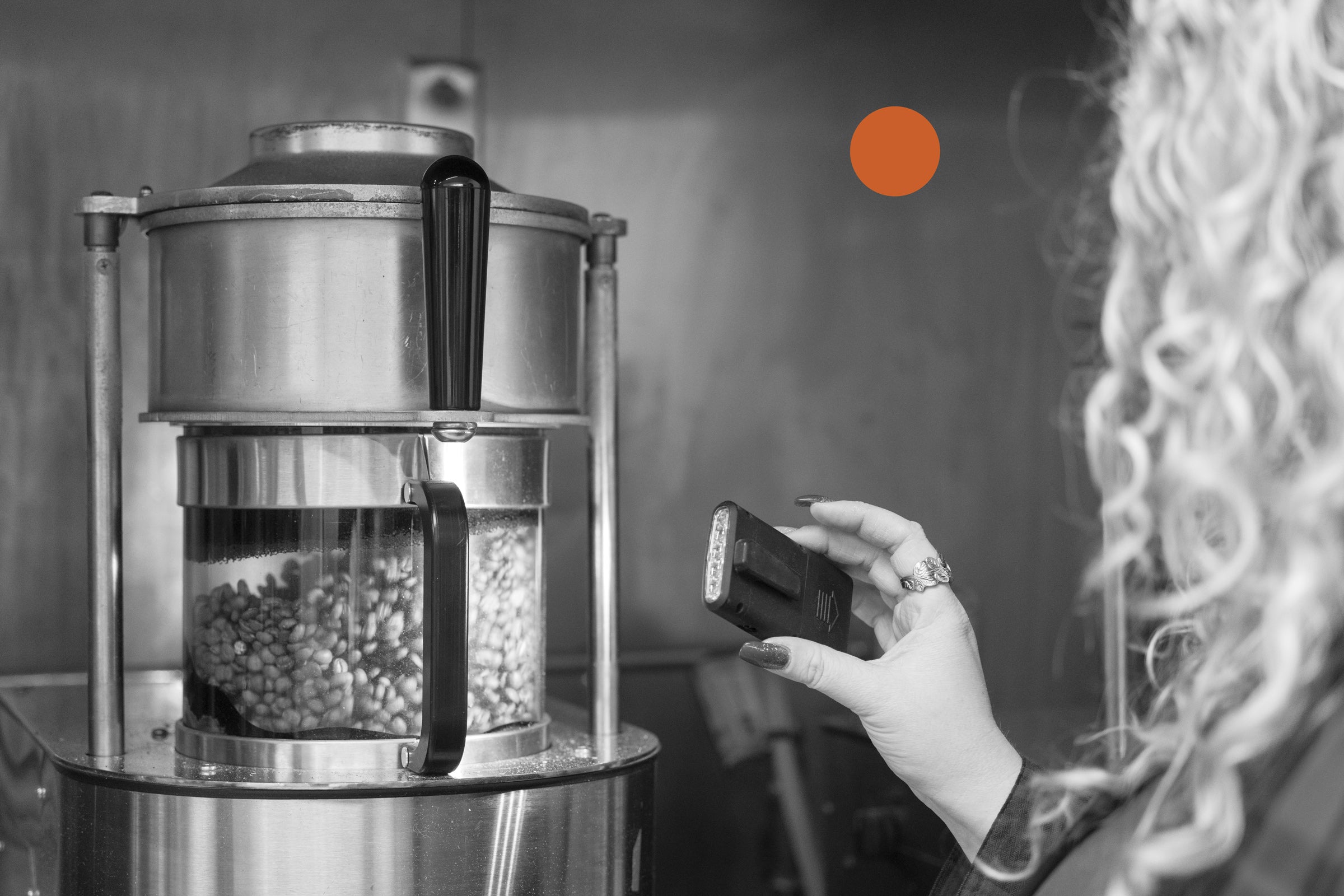
A fluid bed roast is like the air roaster. It heats the air within the chamber and causes an endothermic reaction within the beans themselves from the air in the chamber. This heated air 'cooks' your beans and develops the roast profile.
So what's the difference concerning coffee roasting? I believe that a fluid bed roaster produces a brighter and cleaner cup of coffee. The beans have less of a tendency to scorch and in turn, have a better chance at getting good flavors without burning or in contrast without the risk of under developing the profile. I like a coffee roasted in a fluid bed roaster significantly more.
But there are trade offs. Drum roasters can produce a little bit more caramel flavor in the bean, because of the way the Maillard reaction develops (the process that produces the sugars in the coffee). Fluid bed roasters also have to use a MUCH smaller batch size. A drum roaster can get in the hundred of kgs per batch size, but I haven't seen a fluid bed roaster that can produce more than a couple of kilograms per batch. This means for production, a fluid bed roaster is much more costly to operate and most roasting shops just find to be too cost prohibitive to roast using this method.
I believe there is a place for both roasting methods in a coffee shop. Some beans beg for a drum roaster, while others need to be roasted in a fluid bed to get the right flavor. For now, we are committed to keeping our batch sizes smaller, our roast profiles bright, and our roasters fluid bed. We will likely build a mixed style environment within the year, but our commitment will be to improve our roast profiles, not increase our capacity. We hope to be able to keep it this way for many years to come, so you'll continue to see and taste what makes Sagebrush Coffee different. A commitment to the appropriate roasting process for the beans we sell.

Action Shot Of Our First Fluid Best Roaster At The Sagebrush Shop