


Direct Trade, Fair Trade, Organic, Rainforest Alliance; An Explanation of Terms
There are a bunch of certifications when it comes to coffee production. Today, I just want to look at four key ones. I've chosen these four because they are the most talked about and the only ones that we as a coffee business have paid attention to.
Fair Trade
The idea behind fair trade is rooted in ensuring that the farmers are being paid a proper wage for their beans. In the past, there were many men in between the exporter and the farmer. These people would take their cut and price the buyers out of many beans. As the fair trade model developed, coffee improved, quality of life improved for farmers, and we all did our part to help save many lives from starvation. Over the last 20 years, this organization has done and continues to do a lot of good in certain areas. However, as any organization is flawed, they are falling prey to strict certification requirements and are losing some of their advantages for the coffee growers. About a year ago, Sagebrush Coffee stopped worrying about this certification, because we have seen it hurt some farmers.
Direct Trade
Because of the problems with Fair Trade, we have worked to build a more focused direct trade model. In our case, this does not necessarily mean that we have personal relationships with the farms where the coffee is coming from (however, we do with several). It means that our importer does. They work as deep into the supply chain as possible to ensure that the growers are receiving a fair price. In the direct trade relationships we support, the farm will always receive more money from the importer than in a fair trade sale. In the fair trade model, every person in the supply chain pays a fair trade tax, which supposedly goes towards the certifications, but I'd rather the same money go to the grower. The best way to ensure that is to join the direct trade supply chain.
Organic Coffee
Organic coffee and this entire topic makes me laugh. Several years ago we went to a vineyard in the Willamette Valley of Oregon. We saw during the tour this focus on the organic development of the grapes, so the wine was better. However, just up the mountain was a farm that didn't bother. The vineyard we were touring was upset because rain run-off would bring chemicals into their vines and kill the entire idea of organic farming. That was a real issue in an area and industry that focuses on those types of things.
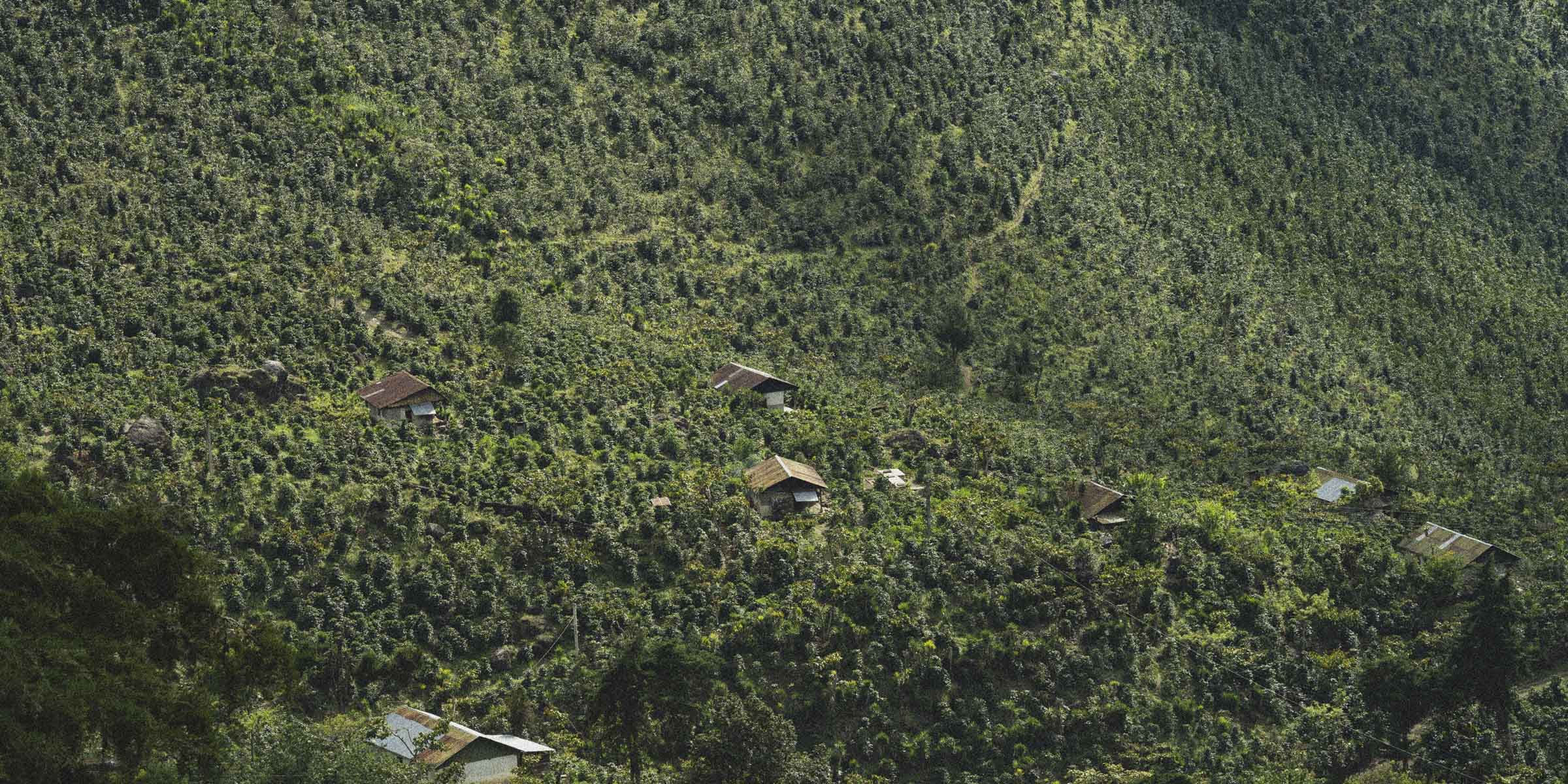
So why does organic coffee farming make me laugh? Because in the places where coffee trees are grown, you see something entirely different. These areas are remote, and chemicals are hard to come by. Most coffee farmers are organic farmers because they cannot afford it any other way. If you have a problem with a coffee borer beetle, you cannot afford to kill it with pesticides. Instead, you plant trees that cater to the birds that eat your dreaded beetle and hope for the best. However, if you cannot afford the pesticides, how can you afford an organic certification? And here lies the problem with Organic coffees. Many of the coffees we sell are organic coffees without the certification. When growers sell their beans for as cheap as $1.50 a pound and a day's wage gets you 20lbs of coffee, you cannot afford to pay $5,000 for an organic certification.
At Sagebrush, our commitment is to the farmer, not the certification. We are not looking specifically for organic beans, not because we don't care about the way the tress are grown, but because we care more about the farmer than about a certification.
Rainforest Alliance
My opinion of rainforest alliance is not a whole lot different than what I think about organic. However, I have seen more good come from this program. This is another certification, and when I see certifications, I see fees, and where I see fees, I see money going into pockets that probably don't need it. However, in this case, I like a lot of what they're trying to do. Either they're trying to enable the farmers to grow those trees that deter the coffee borer beetle, or they are trying to use the ecosystem around the farm to help the farm be more productive.
Through training and education, they're finding ways to help these farms make up the cost of the certification. Although coffee has been around for a long time, research in its sustainability is a relatively new practice. This organization is taking that research to the farms, so they can improve the quality and yield of the coffees they produce. The production engineer in me loves that, because if an RFA farm could produce 20k lbs of coffee last year, but through improvements made through the RFA group, they can product 25k lbs within five years and implement ecosystem saving practices while they're at it, we all win.